
Machine Gun Kelly, the moniker of Colson Baker, has carved a distinctive path through the music industry, marked by dramatic stylistic shifts and a carefully cultivated public persona. From his early days in the hip-hop scene to his current dominance in pop-punk, MGK’s career is a study in evolution and reinvention, constantly adapting to the ever-changing landscape of popular music.
This exploration delves into the genesis of his stage name, the musical transformations that have defined his career, and the impact of his public image on his trajectory. We will analyze his collaborations, evaluate the critical reception of his work, and examine the strategic use of social media that has solidified his connection with fans.
Exploring the Genesis of Colson Baker’s Stage Persona Machine Gun Kelly, what were the initial inspirations?
The transformation of Colson Baker into Machine Gun Kelly represents a compelling narrative of artistic evolution, born from a confluence of personal experiences, musical influences, and a deliberate cultivation of a distinct public image. This section delves into the formative years of the artist, uncovering the key factors that shaped his early identity and propelled him towards mainstream recognition.
The Origins of the Name and Early Influences
The moniker “Machine Gun Kelly” is a direct reference to George Kelly Barnes, a notorious gangster from the Prohibition era. This choice reflects a fascination with rebellious figures and a desire to project an image of defiance and raw energy. The name itself became a statement, setting the tone for the artist’s aggressive musical style and his often confrontational public persona.
Musical Styles and Influences Shaping Early Work
Machine Gun Kelly’s early musical output was heavily influenced by a blend of hip-hop and rock, reflecting his diverse musical tastes. These influences were not merely aesthetic choices but fundamental building blocks of his sound.
- Rap Music: Early in his career, MGK was heavily influenced by the raw, aggressive energy of artists like Eminem. Eminem’s lyrical prowess and ability to blend storytelling with rapid-fire delivery were particularly influential. His debut album, *Lace Up*, demonstrates this influence through its hard-hitting beats and introspective lyrics. The album’s success showed the influence of artists like Eminem, showcasing that MGK had mastered the genre.
- Rock Music: Bands such as Blink-182 and the Red Hot Chili Peppers were also significant influences. The pop-punk energy of Blink-182 and the funk-infused rock of the Red Hot Chili Peppers provided a foundation for MGK’s later forays into the rock genre. The blend of rap and rock elements became a defining characteristic of his sound, a fusion clearly heard in songs like “Invincible” and “Sail On.”
- Alternative Hip-Hop: Artists such as Kid Cudi played a role in shaping MGK’s willingness to experiment with melodic structures and introspective themes. Kid Cudi’s blend of hip-hop, alternative rock, and electronic music gave him the courage to go beyond traditional rap, paving the way for the exploration of vulnerability in his music.
Visual Presentation and Early Career Image
MGK’s visual presentation was carefully crafted to complement his musical persona, creating a cohesive and memorable image. His style evolved over time, but certain elements remained consistent during his early career.
- Clothing: Early on, MGK often sported a blend of streetwear and punk-inspired fashion. This included graphic tees, ripped jeans, and band t-shirts, reflecting his connection to the rock and alternative music scenes. This look helped to convey an image of rebellion and nonconformity, aligning with his musical themes.
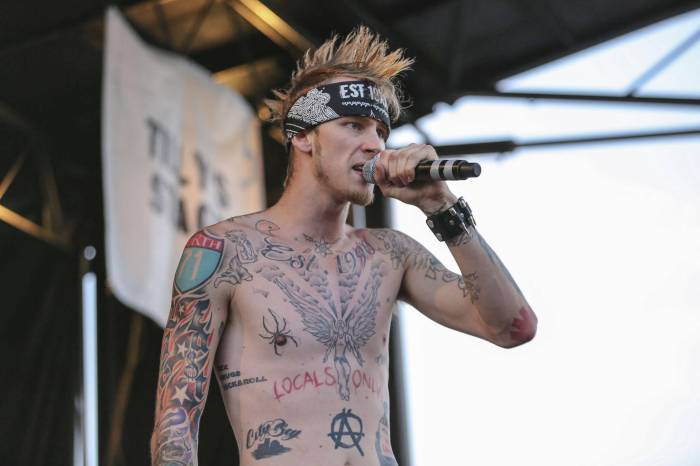
- Hairstyles: MGK’s hairstyles were a prominent feature of his visual identity. He experimented with various cuts and colors, including mohawks, shaved sides, and vibrant dyes. These hairstyles added to his rebellious image, making him stand out visually and contributing to his overall persona.
- Stage Presence: His stage presence was characterized by high energy and a direct connection with the audience. He often engaged in moshing, crowd surfing, and other forms of interaction that created an electrifying atmosphere. This stage presence was key in building a loyal fan base, who were drawn to his energetic performances.
Examining the Evolution of Machine Gun Kelly’s Musical Style and Genre Bending, what are the pivotal shifts?
Machine Gun Kelly’s career is a study in artistic metamorphosis, a journey marked by significant shifts in musical style that have both captivated and divided his audience. From his initial foray into hip-hop to his eventual embrace of pop-punk and beyond, his musical evolution reflects a willingness to experiment and redefine his artistic identity. These transformations have not only broadened his creative palette but also fundamentally altered his relationship with his fanbase, creating both die-hard loyalists and detractors.
Musical Genre Exploration in Machine Gun Kelly’s Discography
Machine Gun Kelly’s discography showcases a diverse range of musical styles, demonstrating his versatility and willingness to push boundaries. He has navigated various genres, often blending them to create a unique sound.
- Hip-Hop: His early work, such as the *100 Words and Running* mixtape, firmly established him in the hip-hop scene. Tracks like “Chip Off the Block” and “Invincible” displayed his rapid-fire flow and lyrical prowess, hallmarks of his early career.
- Pop-Punk: The release of *Tickets to My Downfall* marked a definitive shift towards pop-punk. This album, along with *Mainstream Sellout*, showcased a more melodic approach, with songs like “bloody valentine” and “my ex’s best friend” embracing the genre’s energy and themes.
- Alternative Rock: *Born with Horns*, while heavily influenced by pop-punk, incorporates elements of alternative rock. The album experiments with more complex song structures and a broader range of instrumentation, as seen in tracks like “papercuts” and “maybe.”
- Trap-Metal: While not a primary genre, MGK has occasionally dipped into trap-metal, infusing his music with heavier elements. Songs like “el diablo” demonstrate this blend of rap and metal.
Comparison of Early Hip-Hop and Later Pop-Punk Styles
The transition from hip-hop to pop-punk represents a significant stylistic shift for Machine Gun Kelly. The following table highlights the key differences between these two phases of his career.
| Feature | Early Hip-Hop | Later Pop-Punk | Impact | Examples |
|---|---|---|---|---|
| Lyrics | Focused on braggadocio, street life, and technical rap skills. | Centered on themes of love, heartbreak, teenage angst, and personal struggles. | Attracted a new audience while alienating some original fans. | Hip-Hop: “Chip Off the Block.” Pop-Punk: “bloody valentine.” |
| Instrumentation | Primarily reliant on samples, drum machines, and turntables. | Emphasized guitars, drums, bass, and live instrumentation. | Shifted the sonic landscape, creating a more dynamic and live sound. | Hip-Hop: *100 Words and Running*. Pop-Punk: *Tickets to My Downfall*. |
| Vocal Delivery | Characterized by rapid-fire rapping, complex rhyme schemes, and a focus on flow. | Featured a more melodic approach, with singing and screaming. | Significantly altered his vocal style, showcasing versatility and emotional expression. | Hip-Hop: “Wild Boy.” Pop-Punk: “my ex’s best friend.” |
| Audience Reception | Appealed to hip-hop fans who appreciated technical skill and raw energy. | Resonated with pop-punk fans and a younger demographic. | Created a divide, with some fans embracing the change and others expressing disappointment. | Early Hip-Hop: *Lace Up*. Later Pop-Punk: *Mainstream Sellout*. |
Investigating the Impact of Machine Gun Kelly’s Public Persona on his Career, what is the role of his public image?
Machine Gun Kelly’s career has been significantly shaped by his carefully constructed public persona. This image, a blend of rebellious rockstar, romantic interest, and social media savvy personality, has both propelled him to new heights and occasionally caused setbacks. Understanding the interplay between his public image and his professional success provides insight into the modern music industry and the power of carefully cultivated celebrity.
The Dual Nature of Public Image: Positive and Negative Effects
Machine Gun Kelly’s public image, encompassing his relationships, controversies, and personal life, has generated both positive and negative consequences for his career. The carefully managed persona contributes significantly to his overall brand.
His highly publicized relationship with actress Megan Fox, for instance, has generated immense media attention. This visibility has undeniably boosted his profile, introducing him to a broader audience. The couple’s red-carpet appearances, social media interactions, and joint projects have consistently kept them in the public eye, enhancing Machine Gun Kelly’s mainstream appeal.
Conversely, controversies can damage his image. Public feuds, perceived insensitivity, or missteps in public statements can lead to negative press and potential alienation of fans. The constant scrutiny necessitates careful management of his public image to mitigate potential risks.
Social Media Strategies for Image Cultivation and Fan Interaction
Machine Gun Kelly utilizes social media platforms extensively to cultivate his image and engage with his fans. He has demonstrated a strategic understanding of how to use these tools effectively.
He leverages platforms like Instagram and Twitter to share glimpses of his personal life, promote his music and projects, and engage directly with fans. His posts often feature behind-the-scenes content, candid photos, and interactions that humanize him and foster a sense of connection with his audience.
His ability to react in real-time to trending topics and engage in playful banter with other celebrities and fans also contributes to his social media success. This strategy has resulted in a loyal following and increased brand visibility.
Instances of Significant Media Attention and Their Consequences
Several instances of Machine Gun Kelly’s public behavior have generated significant media attention, each with distinct consequences for his career.
- The Feud with Eminem: In 2018, Machine Gun Kelly’s public feud with Eminem, which began with a series of diss tracks, dominated headlines. While it undoubtedly increased his visibility, the perceived imbalance in the feud, given Eminem’s established status, could have damaged his image with some. The event provided an immense amount of publicity, but also brought intense scrutiny to his lyrical ability.
- The Megan Fox Relationship: The relationship with Megan Fox has been a constant source of media fascination. The intense interest has provided substantial publicity, helping introduce him to a broader audience beyond his existing fanbase. This also led to collaborations and co-branded products.
- Public Statements and Controversies: Certain statements and actions have drawn criticism. Instances of insensitive comments or perceived missteps in public statements have generated negative press. These events underscore the importance of careful public relations management to mitigate damage to his brand.
Analyzing the Collaborations and Partnerships that have Defined Machine Gun Kelly’s Music, who are his key collaborators?
Machine Gun Kelly’s career trajectory has been significantly shaped by his willingness to collaborate with a diverse range of artists, spanning various genres. These partnerships have not only expanded his musical horizons but also broadened his audience reach and solidified his position as a versatile artist. Through these collaborations, he has been able to experiment with different sounds, incorporate new influences, and consistently evolve his musical identity.
Key Collaborators and Their Impact
Machine Gun Kelly’s collaborative ventures have been instrumental in defining his musical style and expanding his fan base. His partnerships have allowed him to explore different genres and introduce his music to new audiences.
- Camila Cabello – “Bad Things” (2016): This collaboration marked a significant turning point in Machine Gun Kelly’s career, catapulting him into mainstream success. The song, a blend of pop and hip-hop, reached number four on the Billboard Hot 100, exposing him to a wider audience and showcasing his ability to create commercially successful music. The success of “Bad Things” demonstrated his crossover appeal and helped establish him as a multifaceted artist capable of navigating different musical landscapes.
- Young Thug and Madison Beer – “Trash Talking” (2019): This collaboration highlighted Machine Gun Kelly’s willingness to experiment with trap music and blend it with pop sensibilities. The song featured prominent trap elements, showcasing his adaptability to different subgenres within hip-hop. The inclusion of Madison Beer added a layer of pop appeal, further broadening the song’s reach and demonstrating his ability to work effectively with diverse artists.
- Halsey – “Forget Me Too” (2020): This collaboration from the album “Tickets to My Downfall” marked a transition into a more pop-punk-oriented sound. Halsey’s vocals perfectly complemented Machine Gun Kelly’s, resulting in a song that resonated with fans of both artists. The track further cemented his shift towards pop-punk and indicated his ability to create successful music within this genre, demonstrating his evolving artistic direction.
- blackbear – “My Ex’s Best Friend” (2020): This collaboration, also from “Tickets to My Downfall,” proved to be a major hit, solidifying his presence in the pop-punk scene. The song’s success underscored his ability to create catchy, relatable anthems within the genre. The song’s popularity demonstrated the resonance of the pop-punk sound with his audience and highlighted his successful transition from hip-hop.
- Willow – “emo girl” (2022): This collaboration, from Machine Gun Kelly’s album “mainstream sellout,” further embraced the pop-punk genre. The track’s success showcased his continued commitment to the pop-punk sound and highlighted his ability to create popular music within the genre. The collaboration with Willow, a rising star in the alternative music scene, helped to attract a younger audience and solidify his position in the genre.
Machine Gun Kelly’s collaborations have consistently demonstrated his ability to adapt to different musical styles and reach new audiences. These partnerships have allowed him to introduce his music to diverse listeners and explore new creative avenues.
“Working with Colson (Machine Gun Kelly) is always a creative and fun experience. He’s open to trying new things, and that’s what makes our collaborations so exciting.” – Halsey, on working with Machine Gun Kelly.
Evaluating the Reception and Critical Acclaim of Machine Gun Kelly’s Albums and Songs, how is his work received?
Machine Gun Kelly’s career has been marked by a complex interplay of critical reception, commercial success, and evolving public perception. His trajectory, from mixtape artist to pop-punk icon, has been scrutinized by both music critics and fans, resulting in a varied and often polarized response. This section delves into the critical analysis, commercial performance, and visual representation of his discography to understand the impact of his work.
Critical Reception of Albums and Songs
The critical reception of Machine Gun Kelly’s music has undergone a significant transformation, mirroring his genre shifts and public image evolution. Initially, he faced criticism for his lyrical content and perceived lack of authenticity within the hip-hop scene. Later, his foray into pop-punk and alternative rock generated a new wave of critiques.
- Early mixtapes and albums like *Lace Up* (2012) and *General Admission* (2015) were often met with mixed reviews. Critics cited issues with consistency, lyrical depth, and his ability to establish a distinct artistic voice within the rap landscape.
- The transition to pop-punk with *Tickets to My Downfall* (2020) and *Mainstream Sellout* (2022) saw a more pronounced shift in critical perception. While some praised the energy and catchiness of the music, others criticized the perceived superficiality and the lack of originality within the genre. The shift also attracted accusations of “genre hopping” and a calculated move to capitalize on the pop-punk revival.
- Individual songs, particularly those released as singles, often garnered more focused attention. Hits like “Bad Things” (featuring Camila Cabello) demonstrated his ability to create commercially successful tracks, but also drew criticism for its pop sensibilities and departure from his earlier sound.
- Review aggregators like Metacritic and Album of the Year reveal the variance in critical opinions. Scores range widely depending on the album and the publication reviewing it. The contrast between fan reviews and professional critic reviews often highlights the disparity in expectations and appreciation of the artist’s work.
Commercial Success of Albums and Singles
Machine Gun Kelly has achieved significant commercial success, with his albums consistently charting and generating strong sales figures. His transition to pop-punk amplified his mainstream appeal and broadened his audience.
- *Lace Up* (2012) debuted at number 4 on the Billboard 200 chart.
- *General Admission* (2015) debuted at number 4 on the Billboard 200 chart.
- *Tickets to My Downfall* (2020) debuted at number 1 on the Billboard 200 chart. This marked a significant milestone, solidifying his transition to pop-punk and demonstrating a shift in audience demographics.
- *Mainstream Sellout* (2022) also debuted at number 1 on the Billboard 200 chart.
- Singles like “Bad Things” (featuring Camila Cabello) achieved multi-platinum certification and topped the Billboard charts. Other singles from his pop-punk albums also performed well, contributing to his overall commercial success.
- He has received various awards and nominations, including MTV Video Music Awards and Billboard Music Awards.
- His collaborations with other artists, particularly on singles, have boosted his visibility and broadened his fanbase, further contributing to his commercial performance.
Visual Representation of Album Covers
The album covers of Machine Gun Kelly offer a visual narrative of his artistic evolution, reflecting changes in style, genre, and persona. Each cover serves as a snapshot of a particular moment in his career.
- *Lace Up* (2012): The cover features Machine Gun Kelly in a close-up shot, his face partially obscured by a bandana. The overall aesthetic is gritty and streetwise, reflecting his early hip-hop persona. The background is a blurred cityscape, emphasizing his Cleveland roots and the urban environment that shaped his music.
- *General Admission* (2015): This album cover showcases a more mature and introspective image. MGK is depicted in a studio, with a microphone and mixing equipment, creating a sense of intimacy and artistry. The cover’s muted color palette and serious expression suggest a more personal exploration of themes.
- *Tickets to My Downfall* (2020): This album cover marks a dramatic shift in both style and genre. The cover is a vibrant and energetic image, with Machine Gun Kelly dressed in a bright pink jacket. The backdrop is a chaotic scene with flashing lights and graffiti, reflecting the pop-punk aesthetic.
- *Mainstream Sellout* (2022): The album cover continues the vibrant pop-punk aesthetic, with MGK and Travis Barker depicted on stage in front of a massive crowd. The cover is high-energy, and celebratory, reflecting the success of the project. The bright colors and dynamic composition create a sense of movement and excitement.
Outcome Summary
Machine Gun Kelly’s story is a testament to the power of artistic reinvention and the complexities of navigating the modern music industry. His willingness to embrace change, coupled with a savvy understanding of the media landscape, has allowed him to maintain a high profile and a devoted fanbase. From his initial inspirations to his latest endeavors, MGK’s journey continues to be a compelling narrative of musical exploration and public image management.
