
Japanese aesthetics, renowned for their minimalist elegance, find a captivating new expression in miniature landscapes. The Japanese terrarium gravel aesthetic, a fusion of nature and artistry, invites us into a world of meticulously arranged gravel, carefully chosen plants, and symbolic design. This intricate art form transcends mere hobby; it embodies a profound appreciation for the beauty in simplicity and the power of mindful composition.
This guide delves into the core principles, from selecting the perfect gravel to arranging plants, materials, and lighting. Discover the subtle artistry behind creating a serene miniature ecosystem, a testament to the profound connection between human creativity and the natural world.
Defining the Aesthetic
The Japanese terrarium gravel aesthetic, often referred to as “kawara-zukuri,” transcends mere landscaping; it embodies a profound connection to nature, expressed through meticulously arranged miniature worlds. This aesthetic draws upon centuries of Japanese cultural values, emphasizing harmony, tranquility, and the appreciation of subtle beauty. The carefully curated spaces invite contemplation and a deeper understanding of the natural world, offering a moment of introspection within the confines of a small, controlled environment.This aesthetic, rooted in the principles of Zen Buddhism, reflects a philosophy of appreciating the beauty in imperfection and the inherent serenity found in simplicity.
The emphasis on minimalism and natural materials reinforces the concept of harmony between human creation and the natural world. Its evolution showcases a continuous refinement of principles, reflecting societal shifts and artistic trends. This careful curation of miniature landscapes fosters a sense of awe and wonder, inviting observers to engage with the beauty of nature on a personal level.
Core Principles and Philosophies
Kawara-zukuri, as a distinct style, rests on several core principles. A key tenet is the integration of minimalism. The emphasis on simplicity is central to the aesthetic, prioritizing the essence of natural elements over excessive ornamentation. The concept ofwabi-sabi*, embracing the beauty of imperfection and impermanence, is integral to the design. Further, the style reflects the Japanese appreciation for natural materials, such as carefully selected gravels, moss, and small plants, highlighting their inherent beauty without altering their natural state.
Finally, the cultivation of tranquility and introspection is a cornerstone, inviting the observer to find peace and contemplation within the miniature landscape.
Historical Context and Evolution
The origins of kawara-zukuri can be traced back to ancient Japanese gardens, evolving over centuries to encompass the meticulous arrangement of gravel and miniature plants. Early forms focused on recreating natural landscapes, reflecting a profound connection to nature. The influence of Zen Buddhism and its emphasis on tranquility profoundly shaped the aesthetic. Subsequent periods witnessed shifts in style, incorporating elements of minimalism and a growing appreciation for the beauty of imperfection, aligning with the philosophy ofwabi-sabi*.
The aesthetic has seen resurgence in modern times, adapting to contemporary sensibilities while retaining its core principles.
Key Elements of the Style
The defining elements of kawara-zukuri include a deliberate selection of materials. Gravel, in various sizes and shades, forms the foundation, symbolizing the earth and creating a sense of depth. Moss, chosen for its resilience and natural beauty, adds a touch of vibrancy and texture. Small plants, carefully selected for their compatibility with the overall aesthetic, introduce pops of color and life.
The color palette typically embraces muted tones, drawing inspiration from nature. Earthy browns, greens, and grays dominate, creating a sense of tranquility and harmony. Compositional principles prioritize balance, symmetry, and the creation of a natural flow. The arrangement should mimic natural forms, evoking a sense of serenity and harmony.
Symbolism and Cultural Significance
The symbolism of kawara-zukuri is deeply rooted in Japanese culture. The use of natural materials reflects a profound reverence for the natural world. The miniature landscapes serve as a microcosm of nature, allowing individuals to connect with the beauty and tranquility of the natural environment. The meticulous arrangement of elements symbolizes the pursuit of harmony and balance in life, reflecting the deep-seated Japanese appreciation for order and aesthetics.
The emphasis on minimalism and tranquility mirrors the Japanese appreciation for simplicity and introspection.
Gravel Selection and Arrangement
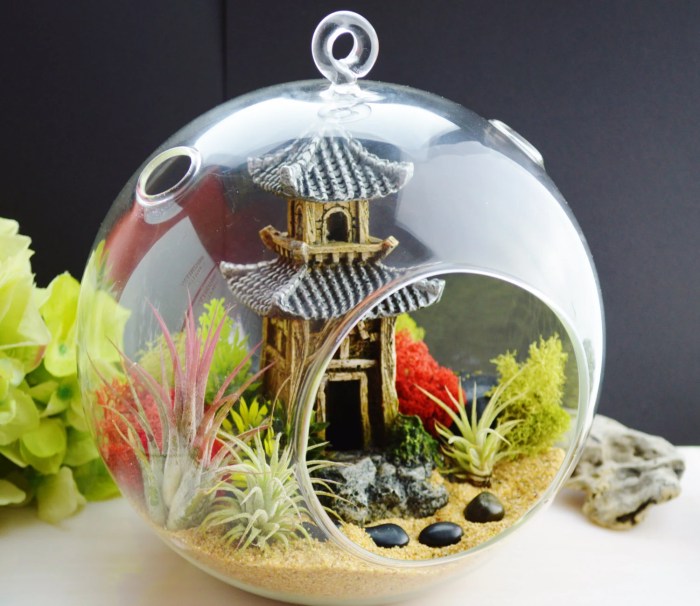
The careful selection and arrangement of gravel play a crucial role in achieving the desired Japanese terrarium aesthetic. Beyond simply filling space, gravel establishes texture, visual depth, and a sense of tranquility, mirroring the minimalist principles of Japanese design. Its subtle variations in color, size, and texture can significantly impact the overall ambiance of the terrarium.Choosing the right gravel is as important as selecting the plants.
The gravel’s color, texture, and size all contribute to the overall visual harmony and should complement the chosen plant life. This intricate interplay creates a microcosm that evokes the serene landscapes of Japan.
Gravel Types for the Aesthetic
A wide array of gravel types offers diverse visual possibilities. The key lies in selecting gravel that complements the intended ambiance. Different varieties bring unique textures and colors to the terrarium.
| Gravel Type | Color Variations | Texture | Typical Size Range (mm) |
|---|---|---|---|
| River Stone | Brown, gray, beige, and occasionally with hints of green or black | Smooth, rounded | 2-15 |
| Akadama | Dark reddish-brown | Slightly porous, often with a rough texture | 5-15 |
| Lava Rock | Dark gray, black, or reddish-brown | Rough, irregular | 5-20 |
| Quartz Sand | White, light gray, or clear | Smooth, fine | 1-5 |
Arrangement Techniques for Visual Depth
Effective gravel arrangement is essential for creating visual interest. Different techniques can achieve a sense of depth and dimension.
- Layering: A graduated layering technique, using varying sizes and colors of gravel, creates a sense of depth and dimension. Larger stones at the base and smaller stones on top can establish visual hierarchy, leading the eye through the terrarium. For example, starting with large, smooth river stones, transitioning to medium-sized gravel, and culminating with fine sand at the top creates a compelling visual effect.
- Negative Space: Strategic use of negative space, or empty areas, allows the plants to stand out and emphasizes the gravel’s form and texture. A well-placed gap can highlight a specific plant or accentuate the overall composition. This technique is crucial for achieving the minimalist aesthetic, drawing attention to the essence of the design.
- Textural Contrast: Combining different textures of gravel—smooth river stones with rough lava rock, for example—can add visual interest and contrast. This method creates a sense of depth and dimension, engaging different aspects of the viewer’s perception.
Selecting Gravel to Complement Plant Life
The choice of gravel should harmonize with the plants to be included in the terrarium. Consider the color and texture of the plants and choose gravel that complements rather than clashes with these features.
- Color Harmony: Matching the gravel’s color palette to the plants’ hues can create a cohesive visual experience. For example, a terrarium with vibrant green plants might benefit from a muted gray or brown gravel. Conversely, a terrarium with variegated foliage might work well with a gravel that has a contrasting color scheme.
- Texture Integration: The gravel’s texture should complement the plants’ foliage. Rough gravel can complement tough, sturdy plants, while smooth gravel can enhance the appearance of delicate, flowing plants. This integration of textures contributes to the overall visual balance of the terrarium.
Examples of Successful Arrangements
Successful arrangements often feature a combination of the techniques mentioned above. The key is to create a balanced composition that highlights both the plants and the gravel.
“A well-designed terrarium is a miniature landscape, where each element—from the gravel to the plants—contributes to a cohesive and visually appealing whole.”
Plant Selection and Integration
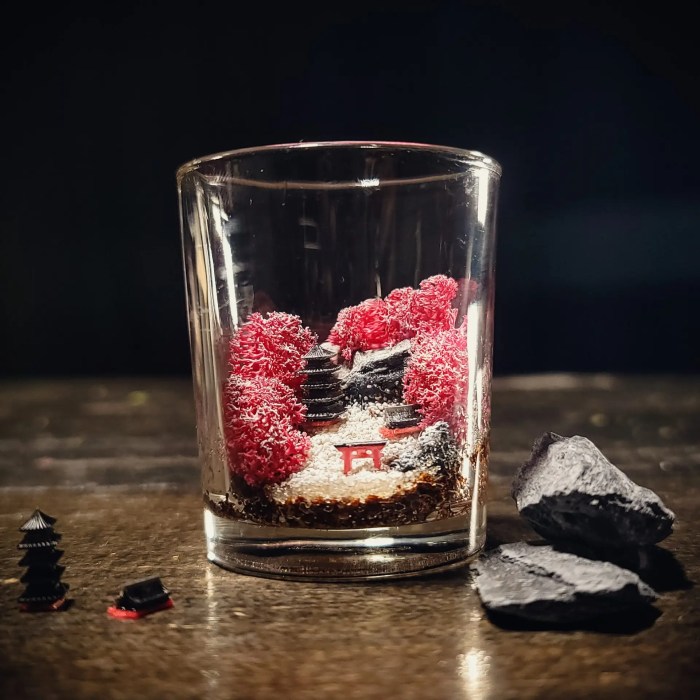
Cultivating a compelling Japanese terrarium aesthetic hinges on the careful selection and integration of plants. This intricate process transcends mere decoration; it’s about crafting a miniature ecosystem that harmonizes with the chosen gravel aesthetic, mirroring the serene beauty of a natural landscape. The plant life forms the heart of the terrarium, breathing life into the gravel arrangement and adding visual depth and texture.
Plant Species Comparison
Selecting the right plant species is crucial for a successful terrarium. Different plants possess unique growth habits, water requirements, and visual characteristics, all of which contribute to the overall aesthetic. Careful consideration of these factors is essential for creating a thriving and visually appealing miniature world.
| Plant Species | Growth Habit | Water Needs | Visual Appeal (Japanese Aesthetic) |
|---|---|---|---|
| Selaginella kraussiana (Spikemoss) | Creeping, low-growing | Moderate | Excellent for ground cover, adds textural depth and subtle green tones. Excellent for creating a sense of natural, undisturbed growth. |
| Miniature ferns | Various, often creeping or cascading | Moderate to high | Adds a delicate touch with their feathery fronds. Creates a sense of tranquility and sophistication, particularly when paired with specific gravel tones. |
| Peperomia | Succulent, compact | Low | Offers a wide range of leaf shapes and colors. Adds variety to the composition and tolerates drier conditions. Certain varieties have beautiful, contrasting colors that can complement gravel tones. |
| Fittonia | Creeping, trailing | Moderate | Known for its vibrant patterns and colors, fittonia can add a bold pop of color, especially in a monochromatic gravel arrangement. Its delicate nature enhances the overall finesse of the aesthetic. |
Integrating Plants into the Arrangement
The arrangement of plants within the gravel is paramount. Consider the height of the plants, their foliage characteristics, and their overall aesthetic impact. The goal is to create a harmonious balance, avoiding overcrowding or overly aggressive growth.
- Height Differentiation: Strategically place taller plants in the back of the terrarium, gradually decreasing heights toward the front. This creates a natural sense of depth and perspective, reminiscent of Japanese gardens. For example, moss and small ferns can be positioned at the front, adding a sense of grounding and detail.
- Foliage Harmony: Choose plants with foliage that complements the gravel color palette. For instance, if the gravel is a dark gray, plants with a rich green or variegated foliage might be a suitable choice. This creates visual cohesion within the miniature landscape.
- Aesthetic Impact: Consider the overall aesthetic impact of the plants. Do they enhance the serene atmosphere? Do they create a sense of dynamism or quietude? The selection of plants should support and amplify the desired aesthetic, mirroring the elegance and simplicity of traditional Japanese gardens.
Moss and Low-Growing Plants
Moss and other low-growing plants play a vital role in creating the desired effect. They provide a sense of ground cover, mimicking the natural growth patterns of a miniature landscape.
- Ground Cover: Moss and similar plants form a dense carpet on the surface of the gravel, filling gaps and creating a sense of completeness. This is crucial in achieving a sense of natural balance and understated elegance, echoing the minimalist aesthetic of Japanese design.
- Visual Texture: The soft texture of moss adds a tactile element to the terrarium, complementing the rough texture of the gravel. This creates a multi-layered experience that enhances the visual richness of the miniature world.
- Color Palette Integration: Select moss and low-growing plants that harmonize with the gravel color palette. For example, dark-toned moss might complement darker gravel, while lighter moss would work well with lighter gravel. This attention to detail ensures a seamless transition between elements, showcasing the cohesion of the design.
Choosing Plants for the Gravel Palette
Matching plant colors to the gravel’s hue is crucial for achieving the desired aesthetic.
- Color Coordination: The colors of the plants should complement the gravel’s color palette, creating a harmonious visual effect. For example, if the gravel is light gray, choose plants with a lighter green or variegated foliage. This visual balance creates a cohesive and well-designed terrarium.
- Contrast and Accents: Strategic use of contrasting colors can add visual interest. A few pops of color, such as a vibrant red or deep purple, can highlight the miniature landscape and add depth, especially if the gravel is monochromatic. This adds a dynamic element while still maintaining the overall serenity of the design.
- Creating a Miniature Ecosystem: Consider the plants’ needs for light, moisture, and nutrients. Plants that thrive in similar conditions will complement each other and contribute to a balanced ecosystem. This ensures the longevity and health of the terrarium’s inhabitants.
Materials and Accessories
Beyond the foundational elements of gravel and plants, Japanese terrariums thrive on the thoughtful integration of supplementary materials. These additions not only enhance the visual appeal but also contribute to the overall narrative and symbolic depth of the miniature ecosystem. Carefully selected rocks, wood pieces, and figurines, each with its unique aesthetic and cultural significance, play a pivotal role in shaping the final composition.These supplementary elements act as crucial design components, offering opportunities to introduce contrasting textures, colors, and forms.
Their presence is not simply decorative; they serve to further define the miniature world, evoking a sense of place and story. From the subtle curves of a miniature rock formation to the intricate details of a ceramic figurine, each element contributes to the overall visual harmony and thematic coherence of the terrarium.
Rock Integration
The judicious use of rocks is vital in crafting a compelling Japanese terrarium. Rocks, with their diverse shapes, sizes, and textures, contribute significantly to the visual interest. Smooth river stones, rugged volcanic rocks, or even polished granite pieces can be integrated, each bringing a unique character to the landscape. The placement of rocks should mimic natural formations, with some rocks positioned prominently, while others serve as supporting elements.
Consider the weight and size of the rocks in relation to the overall terrarium size and the plants to maintain a balanced aesthetic.
Wood Accents
The incorporation of wood elements, such as small branches, driftwood, or meticulously carved wooden pieces, brings a sense of warmth and grounding to the terrarium. These elements can introduce visual depth and dimension, mimicking the natural progression of a miniature forest or stream bed. The texture of the wood, whether smooth, rough, or intricately patterned, contributes to the tactile quality of the composition.
Choosing woods with muted tones, like driftwood, complements the overall natural palette and aligns with the aesthetic.
Figurines and Miniature Elements
The inclusion of miniature figurines, animals, or other decorative elements adds a layer of narrative to the terrarium. These items, often representing elements of Japanese culture or folklore, can further enrich the symbolic meaning of the composition. For instance, a tiny figurine of a crane, a symbol of longevity and good fortune in Japanese culture, can evoke a sense of peace and serenity.
These figurines, when chosen carefully, can act as focal points within the terrarium, adding a touch of whimsy and intrigue.
Bridge and Waterfall Elements
The addition of small bridges, miniature waterfalls, or other decorative elements further enhances the narrative and aesthetic appeal of the terrarium. These elements introduce a sense of movement and depth, mimicking the features of a natural landscape. A small, intricately carved bridge, spanning a miniature stream, can add a touch of elegance and artistry. These elements are carefully integrated to maintain the balance and harmony of the overall composition.
Color and Texture Harmony
Successful Japanese terrariums often feature a harmonious blend of colors and textures. For instance, the smooth, muted tones of gray and beige gravel can be complemented by the warm, natural tones of driftwood and the subtle variations in color of the plants. Contrast, when employed effectively, can create a sense of dynamism and visual interest. The interplay of smooth and rough textures, such as the polished stones against the rough bark of a miniature branch, adds a layer of visual depth and complexity.
Example Combinations
One example of a successful combination features polished river stones in varying shades of gray and beige, complemented by a driftwood piece with a slightly darker tone. Small, moss-covered rocks, along with a few miniature figurines of Japanese koi fish, create a vibrant yet peaceful scene. Another example might involve rugged volcanic rocks, introducing a contrasting texture and darker color palette, paired with a carefully selected grouping of ferns and mosses, showcasing the interplay of natural elements in a miniature world.
Lighting and Display
Mastering the interplay of light and display is crucial for bringing a Japanese terrarium’s gravel aesthetic to life. Proper lighting not only accentuates the meticulous arrangements but also creates an immersive experience that evokes the tranquility and serenity of a miniature garden. Effective lighting design complements the natural beauty of the plants and gravel, transforming the terrarium into a captivating focal point.A well-lit terrarium acts as a captivating visual narrative, enhancing the intricate details of the arrangement.
Strategic use of light highlights the textures of the gravel, the vibrant hues of the foliage, and the overall artistry of the composition. The ambiance generated by the lighting directly impacts the emotional response to the terrarium, drawing the viewer into a peaceful and harmonious atmosphere.
Importance of Lighting
Lighting plays a pivotal role in highlighting the artistry of a Japanese terrarium. Ambient lighting sets the overall mood, while accent lighting focuses on specific elements of the arrangement, enhancing the details and textures. Task lighting, if used, provides focused illumination for specific viewing angles, further enriching the visual experience. The correct lighting choices transform a simple display into a captivating visual experience.
Creating the Right Atmosphere
The chosen lighting should harmonize with the terrarium’s overall aesthetic, creating a serene and natural ambiance. Warm, diffused lighting mimics natural daylight, promoting a sense of tranquility. Consider using soft, indirect light sources to avoid harsh shadows that can detract from the delicate artistry. The use of LED lighting offers energy efficiency and adjustable color temperatures, allowing for fine-tuning of the atmosphere.
The choice of lighting should complement the natural elements and create a harmonious space.
Display Options
Effective display placement enhances the overall impact of the terrarium. The surrounding environment should be considered, ensuring the terrarium’s aesthetic complements its surroundings. Natural light is often the best option for terrariums; however, the use of artificial lighting is crucial for supplementing natural light or creating specific ambiance.
- Natural Light Placement: Positioning terrariums near windows allows for natural light, enhancing the natural colors of the plants and gravel. Careful consideration of the direction of the light is important to prevent glare or overly harsh shadows. South-facing windows provide a consistent, strong light source, while east-facing windows offer softer, morning light.
- Artificial Lighting Solutions: Artificial lighting, such as LED strips or spotlights, can be used to complement or augment natural light. LEDs offer flexibility in color temperature, allowing for adjustments to match the desired ambiance. Carefully consider the intensity and direction of the light to avoid harsh reflections or shadows.
- Showcase Displays: Elevated platforms or dedicated display areas can create a focal point, drawing attention to the intricate details of the terrarium. The display should be unobstructed to allow for full appreciation of the terrarium’s artistry.
Display Positioning and Light Source
Strategic positioning of the terrarium is vital for maximizing its visual impact. The placement should consider the light source and its effect on the terrarium’s elements. Positioning the terrarium in relation to the light source can dramatically change the visual experience.
| Display Position | Light Source Considerations | Visual Impact |
|---|---|---|
| Direct Sunlight | Avoid excessive heat and potential glare; consider using sheer curtains or blinds to diffuse harsh light. | May fade plant life over time, but can provide vibrant color. |
| Indirect Sunlight | Allows natural light to illuminate the terrarium without harsh glare or direct heat. | Soft lighting enhances the colors and textures of the terrarium. |
| Artificial Lighting | Consider color temperature, intensity, and direction to achieve desired ambiance. Use adjustable lighting to fine-tune the display. | Creates controlled and consistent lighting, useful in low-light environments. |
Properly positioning the terrarium, taking into account the interplay of light and the arrangement, ensures the full beauty of the terrarium is appreciated.
Maintenance and Care
Japanese terrarium gravel aesthetics, while visually captivating, demand meticulous upkeep to thrive. Proper maintenance ensures the longevity and vibrant beauty of these miniature ecosystems. Neglect can lead to the rapid decline of plant health and the deterioration of the carefully crafted gravel arrangements. This section Artikels essential practices for maintaining the health and aesthetic integrity of your terrarium.
Watering Techniques
Proper watering is crucial for maintaining plant health within a terrarium. Overwatering, a common pitfall, can lead to root rot and fungal diseases, while under-watering can cause wilting and stunted growth. The ideal approach involves observing the specific needs of the plants. Different plant species have varying water requirements, so a nuanced approach is essential. Monitoring soil moisture levels using a moisture meter or by inserting a finger into the soil can help determine the appropriate watering schedule.
Regularly check the soil’s moisture content and adjust watering accordingly. Consistent, yet moderate watering is key to preserving plant health and preventing issues.
Fertilization
Terrarium plants often benefit from supplemental nutrients. Over-fertilizing can lead to nutrient burn, causing leaf discoloration and potential damage. A slow-release fertilizer specifically designed for terrariums can provide a steady supply of nutrients without the risk of over-application. Using liquid fertilizers diluted to half the recommended strength, applied periodically, is a safer option. Carefully follow the instructions for the specific fertilizer being used.
Consistent monitoring of plant health and response to fertilization is important for successful maintenance.
Pest Control
Terrariums can be susceptible to pests, such as mealybugs, aphids, and spider mites. Early detection is vital to prevent infestations from spreading. Regular inspection of the plants and the terrarium’s environment is recommended. Identifying pests early allows for targeted treatment with horticultural oils or insecticidal soaps, minimizing harm to the plants. Preventative measures, such as maintaining good air circulation within the terrarium, can also help deter pest problems.
A healthy terrarium environment is a crucial defense against pest infestations.
Maintaining Gravel Arrangement
Maintaining the aesthetic integrity of the gravel arrangement is an essential aspect of terrarium care. Moss growth, a common occurrence, can gradually change the visual appeal of the terrarium. Using a soft brush to gently remove excess moss is a suitable method. Frequent monitoring allows for early intervention. Shifting gravel is another potential issue.
Use a thin layer of adhesive or a specialized terrarium sealant on the base of the terrarium to keep the gravel stable. Periodically inspecting the gravel arrangement and making adjustments can help maintain the intended design.
Troubleshooting Common Problems
Overwatering and under-watering are common terrarium issues. Signs of overwatering include yellowing leaves, soft stems, and the presence of mold or fungus on the soil. Reduce the frequency of watering and ensure proper drainage to correct overwatering. Under-watering may cause wilting, browning leaves, and a dry soil texture. Increase the frequency of watering and ensure the soil is consistently moist.
Regular monitoring and careful adjustments to watering schedules are crucial in addressing over- or under-watering issues. These issues can be effectively managed by adjusting the watering schedule based on the plant species and the terrarium environment.
Inspiration and Examples
Japanese terrarium gravel aesthetics draw deep inspiration from the meticulous artistry of traditional Japanese gardens and the profound beauty of nature. These miniature landscapes, often featuring carefully selected gravel, plants, and miniature elements, reflect a meditative approach to design, mirroring the serene contemplation found in Zen gardens. The aesthetic seeks to evoke a sense of tranquility and harmony through careful arrangement and thoughtful selection of components.
Sources of Inspiration
Finding inspiration for a unique Japanese terrarium gravel aesthetic is crucial. Drawing from diverse sources allows for a rich and personal expression. Nature provides an abundance of visual cues: the intricate patterns of moss, the interplay of light and shadow on rocks, the delicate forms of wildflowers. Art, including traditional Japanese painting, calligraphy, and woodblock prints, offers a wealth of symbolic and compositional ideas.
Furthermore, cultural elements such as the principles of minimalism and balance, found in Japanese design philosophy, provide valuable insights into crafting a harmonious and aesthetically pleasing miniature landscape.
Interpreting Existing Examples
Studying and interpreting existing examples of Japanese terrarium gravel aesthetics is vital for developing one’s own unique vision. Examining the work of renowned terrarium artists provides valuable insight into compositional techniques, plant integration, and material selection. Careful observation of how these elements are combined, and the specific themes conveyed, reveals the meticulous attention to detail that characterizes this art form.
For instance, the use of contrasting textures in gravel, the placement of individual plants to create focal points, and the subtle incorporation of miniature elements all contribute to the overall aesthetic impact.
Diverse Arrangements and Themes
A diverse range of arrangements and themes can be explored within the Japanese terrarium gravel aesthetic. A “Zen Garden” theme might feature a meticulously raked gravel surface, a few strategically placed rocks, and a single, minimalist plant. Alternatively, a “Forest Floor” theme could incorporate a wider range of plants, including miniature trees, ferns, and moss, arranged to mimic the layered structure of a forest floor.
The “Water Feature” theme might incorporate miniature water elements, like a small stream or pond, further enriching the miniature landscape. Variations in themes allow for personal expression and the creation of a truly unique terrarium.
Creating Personal Expressions
Personal expression is paramount. By combining elements from diverse sources, one can develop a unique and personal style within the Japanese terrarium gravel aesthetic. A key aspect is to create a miniature world that reflects personal interests and experiences. For instance, a terrarium showcasing the colors and textures of a favorite region or a collection of symbolic plants could reflect an individual’s appreciation for a particular place or philosophy.
This personal connection is essential in making the terrarium a truly meaningful and reflective piece of art.
Creating a Visual Guide
A visual guide is crucial for effectively communicating the nuances of Japanese terrarium gravel aesthetics. It allows viewers to grasp the intricate interplay of materials, plant choices, and arrangement styles, ultimately fostering a deeper appreciation for the craft. This guide will provide a clear, responsive table illustrating diverse examples, showcasing the versatility and artistry inherent in these miniature landscapes.
Illustrative Examples of Japanese Terrarium Gravel Aesthetics
This table presents a range of examples, demonstrating the spectrum of possibilities within the Japanese terrarium gravel aesthetic. Each entry offers a glimpse into a specific design approach, highlighting different combinations of gravel, plants, and decorative elements. Note the responsive design, adapting to various screen sizes for optimal viewing experience.
| Gravel Type | Plant Choices | Decorative Elements | Layout |
|---|---|---|---|
|
|
|
Example: A rectangular terrarium with a gradual slope using the fine, light gray river gravel. Small succulents are strategically placed on the higher sections, while moss covers the lower, more shaded areas. A small, polished stone acts as a miniature mountain, creating a focal point. The arrangement suggests a serene mountain stream. |
|
|
|
Example: A round terrarium with layers of gravel, creating a gentle slope. A miniature bonsai tree is placed at the center, with small ceramic animals scattered around the base. The layout evokes a miniature garden. |
Responsive Table Functionality
The table is designed to be responsive, meaning it adapts to different screen sizes. This ensures that the visual examples remain clear and accessible, regardless of the device used to view them. Users can easily compare different gravel types, plant choices, and decorative elements to inspire their own terrarium designs. The detailed descriptions in each row provide concrete examples to help visualize the various aesthetic options.
Design and Composition
Crafting a compelling Japanese terrarium hinges on thoughtful design and composition. A well-structured terrarium, with careful consideration of color, form, and negative space, transcends a mere collection of plants and materials, becoming a miniature landscape imbued with a sense of serenity and artistry. This approach elevates the experience beyond a simple display, transforming it into a captivating visual narrative.
Color Theory Application
Color theory plays a pivotal role in shaping the mood and aesthetic of the terrarium. The use of complementary, analogous, and triadic color palettes can significantly impact the overall visual appeal. For example, a palette of deep greens, earthy browns, and muted grays can evoke a sense of tranquility and naturalism, ideal for a minimalist theme. Conversely, vibrant shades of red, orange, and yellow can create a more energetic and dynamic atmosphere.
Compositional Principles
Employing compositional principles like the rule of thirds, leading lines, and symmetry ensures visual balance and harmony. The rule of thirds, by placing key elements off-center, can create a more engaging and dynamic composition. Leading lines, such as a winding path or a series of stones, guide the viewer’s eye through the terrarium. Symmetry, while not always necessary, can produce a sense of order and stability, particularly in a traditional Japanese-inspired design.
Negative Space and Focal Points
Effective use of negative space, or empty areas, is crucial for drawing attention to focal points. Negative space allows the viewer to appreciate the elements within the terrarium. Strategically placed focal points, such as a cluster of striking plants or a unique rock formation, anchor the composition and draw the viewer’s eye.
Layout and Presentation
The layout and presentation of the terrarium should be meticulously planned. Begin by considering the overall shape and size of the container. Next, sketch a preliminary layout of the gravel, plants, and accessories, taking into account the desired theme. Consider the height variation of plants and the positioning of larger elements to avoid overcrowding or a cluttered look.
A well-structured layout fosters a sense of balance and flow, enhancing the overall visual impact.
Closing Summary
The Japanese terrarium gravel aesthetic, a microcosm of Japanese design principles, offers a path to mindfulness and artistic expression. From gravel selection to plant integration, this guide provides a comprehensive roadmap for creating captivating miniature landscapes. Through meticulous arrangement and thoughtful design choices, these terrariums serve as miniature works of art, connecting us to nature’s beauty and the beauty of mindful creation.
